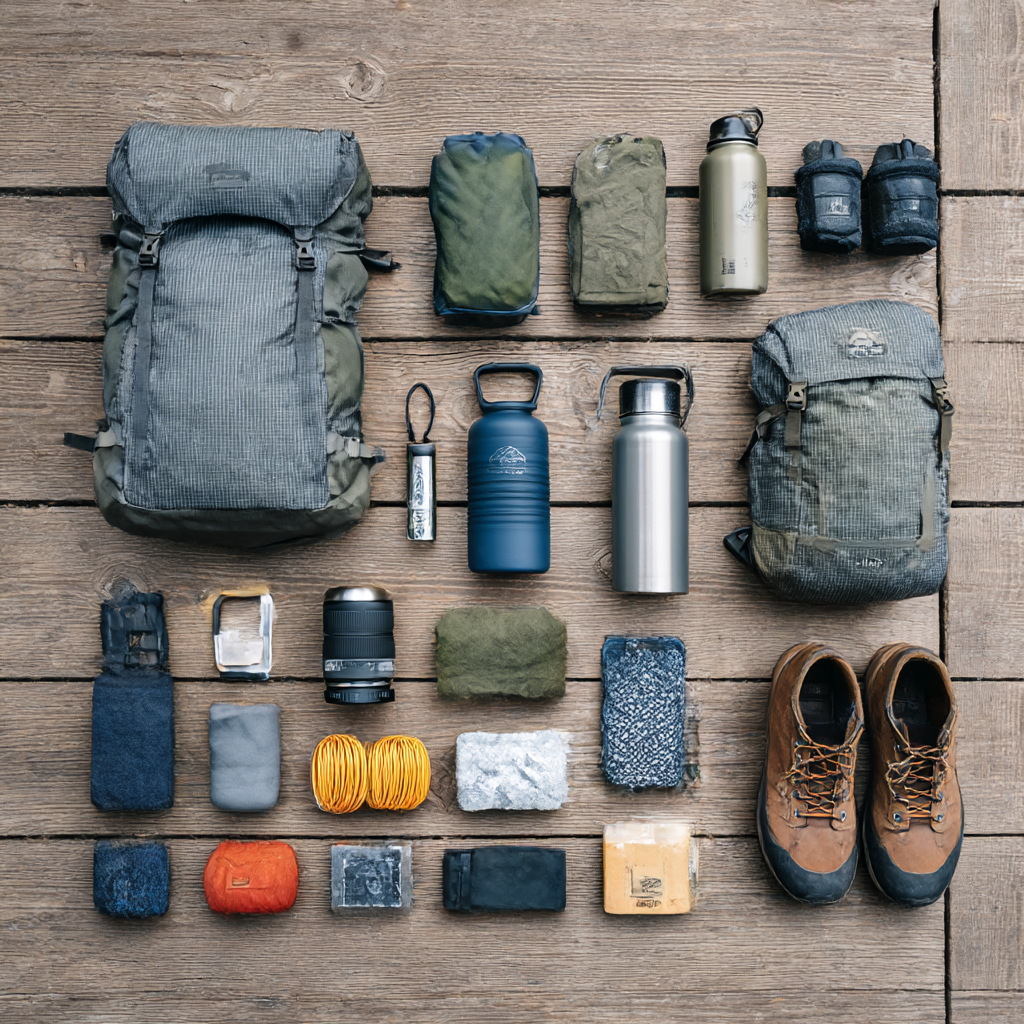
Sustainable Travel Gear: Eco-Friendly Essentials for 2026
Updated for 2026
Editor’s Note (E-E-A-T Factor): This guide is built on more than just theory. It’s based on experiences across 20+ countries and dozens of national park trails, focusing on gear that avoids the “greenwashing” trap and actually survives the rigors of long-term travel.
Why “Eco-Friendly” Labels Aren’t Always Enough
A recycled plastic logo doesn’t guarantee sustainability. If an “eco” backpack rips after two trips, it’s just another piece of landfill. True sustainability is durability.
When selecting gear for my journeys, I apply the “Four-Filter Rule”:
- Longevity: Will I still be using this in 5 years?
- Multi-functionality: Does it work in both the backcountry and the city?
- Repairability: Can a broken zipper be fixed, or does the whole item go to the trash?
- Weight: Lighter gear means lower fuel consumption (and fewer backaches).
1. Water Purification: Breaking the Plastic Bottle Habit
Plastic bottles are the single biggest pollutant I see on the road. However, not all reusable bottles are created equal.
- My Experience: Stainless steel bottles (like Klean Kanteen or 24Bottles) are indestructible and keep water cold for 24+ hours.
- Expert Tip: If you’re heading to regions where tap water isn’t safe (like Southeast Asia), carrying a standard bottle isn’t enough. You need a UV or carbon filter system (e.g., Grayl or LifeStraw). This setup alone can save you from buying hundreds of single-use plastic bottles.
2. Solid Toiletries: Save Space, Protect Nature
Liquid shampoos are mostly water, packaged in plastic, and prone to leaking in your bag.
- The Math: One high-quality shampoo bar is equivalent to roughly 3 plastic bottles of liquid shampoo.
- Pro Tip: Look for “SLS-Free” (Sodium Lauryl Sulfate) formulas. When camping near lakes or rivers, using truly biodegradable, plant-based soaps is the only way to ensure you aren’t poisoning the local ecosystem.
| Feature | Traditional Gear | Sustainable Choice | Long-term Benefit |
| Lifespan | 6-12 Months | 5+ Years | Significant cost savings |
| Waste | High (Single-use) | Near Zero | Reduced environmental footprint |
| Performance | Basic/Standard | Professional Grade | Reliable in tough conditions |
3. Solar Energy: Generating Your Own Power
Searching for an outlet in a remote village is a hassle. Harvesting the sun is not just green; it’s liberating.
- Reality Check: Those tiny solar panels glued to the back of a power bank are mostly gimmicks. If you actually want to charge your gear, you need at least a 21W foldable panel (brands like Anker or Goal Zero are industry standards).
- The Routine: Hang the panel on your backpack while hiking to charge a power bank. By the time you reach camp, your phone and GPS are ready for the night.
4. Sustainable Apparel: The “Less but Better” Philosophy
The fashion industry is a top global polluter. When building a travel wardrobe, Merino Wool is the ultimate “cheat code.”
- Why Merino? It’s naturally odor-resistant (can be worn for days), regulates temperature, and is 100% biodegradable. One Merino t-shirt can replace three cotton ones, allowing you to travel with a much smaller, lighter pack.
Frequently Asked Questions (Sustainable Travel FAQ)
- Isn’t sustainable gear too expensive? The upfront cost is higher, but the “cost-per-use” is much lower. Investing in a $150 jacket that lasts 10 years is cheaper than buying a $40 fast-fashion jacket every year.
- Which certifications should I look for? B-Corp and 1% for the Planet certifications are the gold standards for brand transparency and environmental accountability.
Final Thoughts: Leave a Better Trace
Traveling is about discovering the world, not consuming it. Every sustainable item in your pack is a vote for the future of the destinations we love. Remember: the most sustainable piece of gear is the one you already own—use it until it truly can’t be repaired.