
Best Buy vs. Amazon: Where Do Shoppers Look First?
Best Buy vs. Amazon: Where People Looked First
In the world of electronics, the consumer journey is no longer a straight line. The rivalry between Amazon and Best Buy is defined by the fine line between being a “search engine” and being an “experience center.”
1. The First Stop: Amazon or Google?
For the vast majority of consumers, the shopping process no longer starts on Google; it begins directly on Amazon.
- Search Dominance: Research indicates that approximately 63% of consumers start their product search on Amazon. Amazon has evolved from just a store into the world’s largest “product search engine.”
- Why Amazon? The abundance of user reviews, fast shipping (Prime), and ease of price comparison make Amazon the leader in the “information gathering” phase.

2. Best Buy’s Stronghold: The “Touch and Feel” Factor
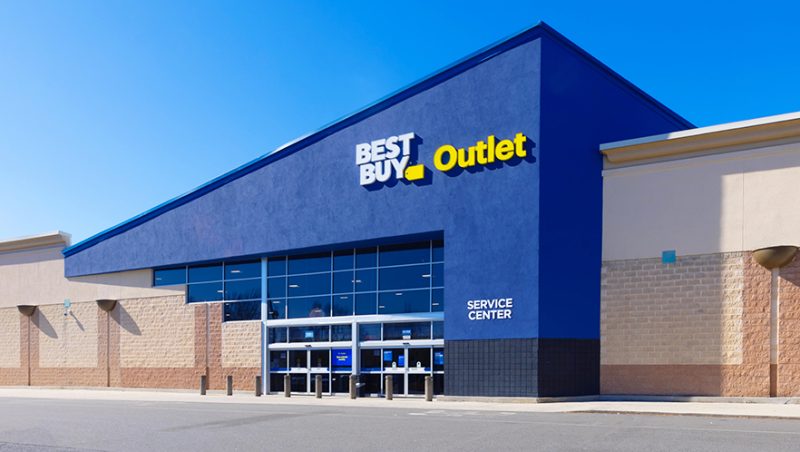
While Amazon leads in digital search, Best Buy remains the primary physical destination for high-tech and large-scale products such as OLED TVs, major appliances, and professional gaming rigs.
- Expert Support: When purchasing complex technology, consumers often want to consult a live expert. The Geek Squad service is Best Buy’s strongest asset in building trust that Amazon struggles to replicate online.
- Instant Gratification: For those who want it “right now,” the ability to buy online and pick up in-store within the hour gives Best Buy a significant edge.
3. The Trends: Showrooming vs. Webrooming
Modern consumer habits are largely defined by these two behaviors:
| Concept | Definition | Who Wins? |
|---|---|---|
| Showrooming | Visiting a store (Best Buy) to examine a product, then ordering it cheaper online (Amazon). | Amazon |
| Webrooming | Researching a product online (Amazon) but going to a physical store (Best Buy) to buy it immediately. | Best Buy |
Pro Tip: To combat “Showrooming,” Best Buy aggressively employs its Price Match Guarantee, matching Amazon’s prices right at the register.

4. Comparison Overview
Amazon’s Advantages
- Millions of SKUs and unparalleled variety.
- Massive archive of user-generated content and photos.
- Seamless integration with the Alexa and Prime ecosystem.
Best Buy’s Advantages
- Hands-on demo areas to test products before buying.
- Post-purchase support with in-store repairs and installations.
- Curated selection that reduces “choice paralysis” for non-tech-savvy users.