Free Online Resources People Actually Use (Not Just Bookmark)
Most “free resources” lists end the same way:
You save the link.
You never open it again.
This article is different.
Below are free online tools people actually return to, open weekly (or daily), and integrate into real workflows — not just digital graveyards of good intentions.
What Makes a Resource “Actually Used”?
Before the list, here’s the filter we used:
- No login friction (or worth the login)
- Solves a recurring problem
- Fast → no learning curve
- Works even if you’re not a “power user”
- Replaces something people used to pay for
If it doesn’t pass at least 3 of these, it didn’t make the cut.
1. Notion Templates (Used, Not Just Admired)
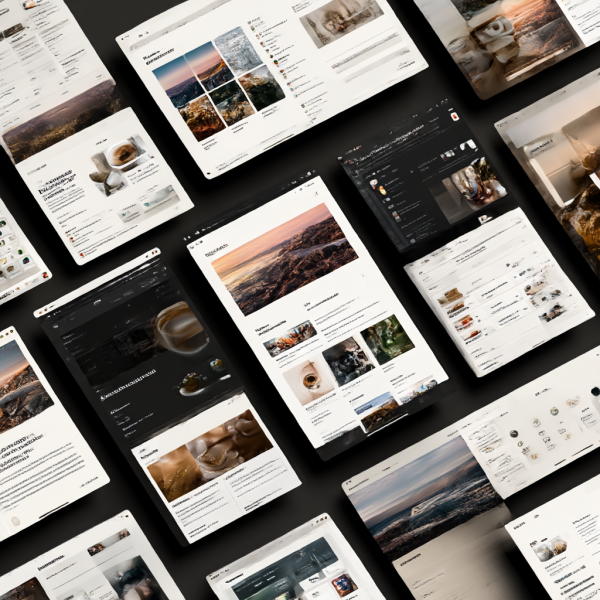
Most people don’t use Notion because they overbuild it.
Templates fix that.
Why people keep using it
- Plug-and-play systems (no setup fatigue)
- Real use cases: content planning, habit tracking, CRM-lite
- Works across devices without friction
What actually gets used
- Simple task dashboards
- Weekly planners
- Content calendars (not second brains)
Who it’s for
People who want structure without becoming productivity influencers.
2. Google’s “Hidden” Tools Inside Search
People underestimate how much Google already replaced paid tools.
Actively used examples
site:searches for SEO checks- Currency, time zone, unit conversions
- Flight price tracking
- Definitions with context, not dictionary fluff
Why people return
Zero learning curve. Zero branding. Just answers.
This isn’t a tool you bookmark — it’s muscle memory.
3. Canva (Used Weekly, Not Once)
Canva crossed the line from “nice design tool” to default visual editor.

Why it sticks
- You don’t start from blank
- Templates match real needs (posts, slides, thumbnails)
- No design theory required
What people actually make
- Social posts
- Presentations
- Simple brand visuals
It’s not about creativity. It’s about speed.
4. Remove.bg & Similar One-Task Tools
Single-purpose tools win because they respect your time.

Why people keep coming back
- One click
- One result
- No dashboard hell
Background removal is the perfect example of:
A problem that appears constantly and needs zero thinking.
Bookmark-worthy? No.
Usage-worthy? Absolutely.
5. Google Docs (Still the Quiet Champion)
Despite all the “next-gen writing apps,” people still open Docs by reflex.
Why
- Works everywhere
- Collaboration without chaos
- No export drama
It’s not exciting.
That’s exactly why it survives.
6. Photo & Color Pickers Designers Actually Reuse
Tools like:
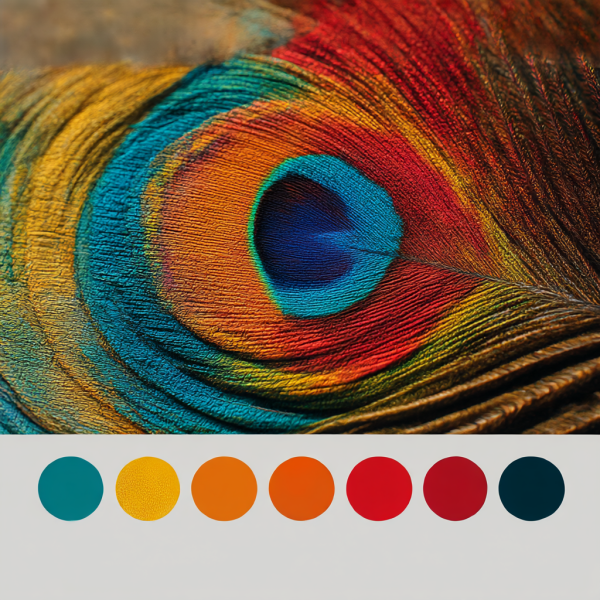
- Color palette generators
- Image compressors
- Font preview tools
Why they get reused
- Micro-problems appear daily
- You don’t want an all-in-one monster tool
- You just want this one thing done
People don’t remember the brand.
They remember the result.
7. Online Calculators People Secretly Depend On
Not finance apps.
Not complex dashboards.
Simple calculators:
- Mortgage & rent affordability
- ROI & profit margin
- Shipping cost estimators
Used quietly. Reused often.
Because math anxiety is real — and these remove it.
Why “Actually Used” Resources Win in Google Search
From an SEO perspective, these tools win because:
- High return visits
- Low bounce rates
- Long dwell time
- Natural brand mentions
Google doesn’t reward novelty.
It rewards habit.
How to Choose Tools You’ll Actually Use (Not Save)
Before bookmarking anything, ask:
- Will I need this again next week?
- Does it remove friction or add it?
- Can I use it without “learning” it?
- Does it replace something I already do?
If the answer is no — close the tab.
Final Thought
The internet isn’t short on free resources.
It’s short on useful habits.
The best tools aren’t the ones you admire.
They’re the ones you forget you’re using — because they just work.
FAQ
Are free tools reliable long-term?
Yes — if they solve a recurring problem and are backed by sustainable models (Google, freemium SaaS, or single-purpose utilities).
Should I avoid bookmarking tools?
Bookmarking isn’t bad. Bookmarking without usage is.
Are paid tools always better?
Only when they save more time than they cost. Most people don’t need “pro” features.