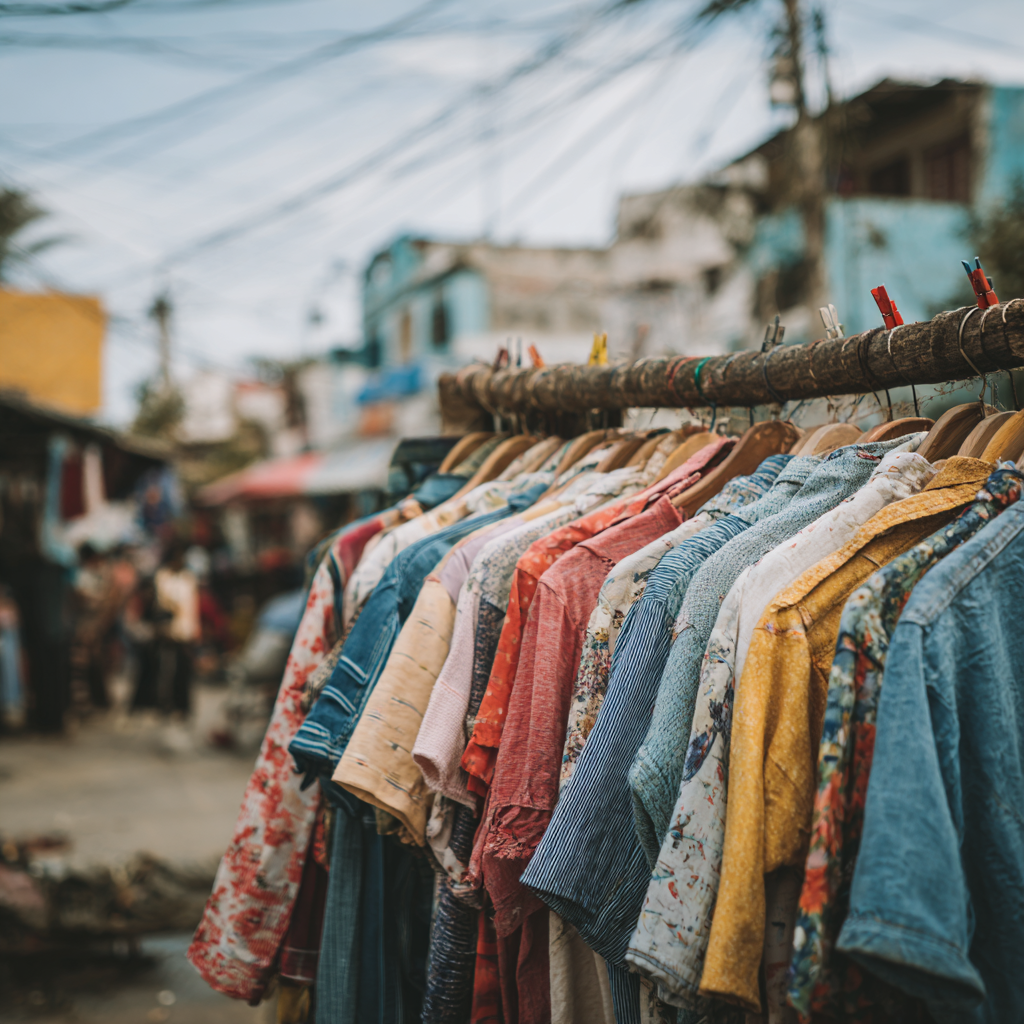
Discover Eco-Friendly Style: Sustainable Fashion Trends from Around the World
November 26, 2025
Sustainable fashion is no longer a niche concept or temporary trend. It represents a global shift toward eco-friendly style that values the planet, the people who make our clothes, and the full life cycle of every garment. As awareness of climate change and overconsumption grows, more consumers and brands are rethinking how fashion is designed, produced, bought, and worn.
Table of Contents
- Global Innovations in Sustainable Fashion
- Regional Trends in Eco-Friendly Style
- Consumer Behavior and Awareness
- Conclusion
🌍 Global Innovations in Sustainable Fashion
Sustainable fashion is evolving quickly as designers, scientists, and technologists collaborate on new materials and smarter production methods. The goal is clear: reduce waste, lower emissions, and create clothing that respects both people and the planet.
🧵 Textile Advancements
Recent breakthroughs in textiles are opening up exciting possibilities for eco-friendly style. Instead of relying on resource-intensive fabrics, many brands are experimenting with renewable and recycled materials.
- Organic & regenerative fibers: Organic cotton, hemp, and linen grown without harmful pesticides.
- Recycled materials: Fabrics made from post-consumer plastics, textile waste, or recycled polyester.
- Innovative next-gen textiles:
- Mushroom leather (mycelium-based), offering a low-impact alternative to animal leather.
- TENCEL™ / Lyocell, produced from responsibly sourced wood pulp in closed-loop systems.
These materials provide unique textures and aesthetics while significantly lowering the environmental footprint of fashion collections.
💡 Technology in Fashion
Technology is accelerating the shift toward sustainability by helping brands design smarter and waste less.
- 3D design & digital sampling: Virtual prototypes reduce the need for physical samples and cut fabric waste.
- On-demand & small-batch production: Items are produced in limited runs or after purchase, preventing overstock.
- Circular fashion systems: Upcycling, take-back programs, repair services, and resale platforms that extend garment life.
By combining new materials with digital tools, the industry is redefining what “high-quality” and “fashion-forward” really mean.
🌎 Regional Trends in Eco-Friendly Style
While sustainability is a global concern, each region interprets eco-friendly style through its own cultural lens, regulations, and traditions.
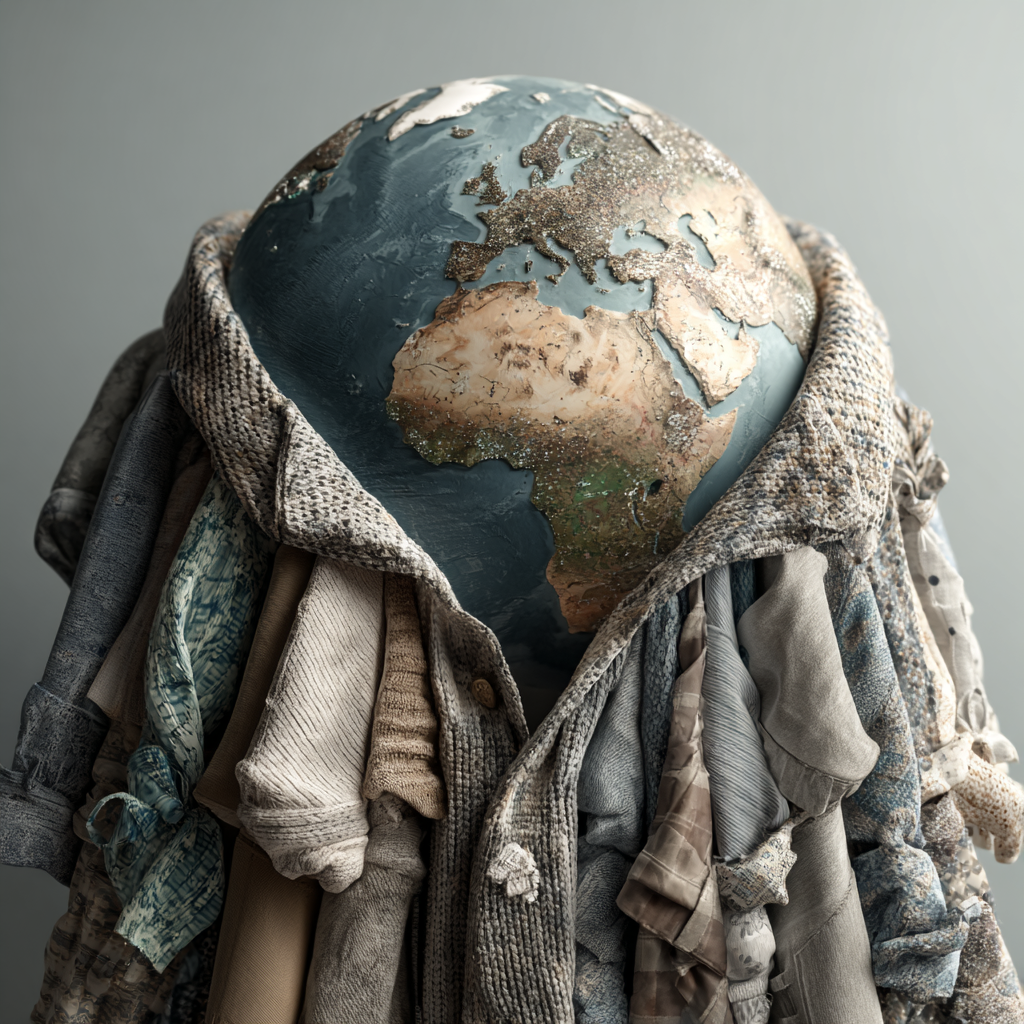
🇪🇺 Europe: Leading the Way
Europe is widely regarded as a leader in sustainable fashion. Strong environmental regulations, active NGOs, and conscious consumers are pushing brands to raise their standards.
- Runway with rules: Events like Copenhagen Fashion Week require participating brands to meet strict sustainability criteria.
- Policy support: EU strategies targeting textile waste, greenwashing, and supply chain transparency.
- Everyday eco-style: Second-hand shopping, clothing rental, and repair cafés are becoming mainstream.
As a result, eco-friendly style in Europe is both aspirational and increasingly accessible.
🌏 Asia: Blending Tradition with Sustainability
In Asia, sustainable fashion often grows out of rich craft traditions combined with modern eco-conscious values.
- Japan: Minimalist design, longevity, and practices like visible mending (sashiko) honor the idea of “mottainai” — avoiding waste.
- India: Handloom weaving, natural dyes, and small artisan collectives keep heritage techniques alive while supporting local communities.
- Regional dyeing & printing: Indigo, block printing, and plant-based pigments create beautiful, low-impact textiles.
This blend of tradition and innovation proves that sustainability can enhance — not erase — cultural identity.
🧠 Consumer Behavior and Awareness
The Rise of Conscious Consumers
Social media, documentaries, and investigative journalism have made the environmental and social cost of fast fashion impossible to ignore. In response, a new wave of conscious consumers is demanding better.
- Gen Z and Millennials prioritising sustainability when choosing brands.
- Growing interest in brand transparency and supply chain traceability.
- Community-driven movements promoting clothing swaps, thrifting, and capsule wardrobes.
This shift in mindset is sending a clear message: style and ethics must go hand in hand.
The Importance of Ethical Consumption
Eco-friendly style is not only about fabrics — it is also about how garments are made and by whom. Ethical consumption means looking beyond the price tag and asking deeper questions about impact.
Simple steps toward more sustainable fashion choices:
- Invest in fewer, higher-quality pieces that you will wear often.
- Choose second-hand, vintage, or upcycled clothing whenever possible.
- Support brands that share clear information about their factories, wages, and materials.
- Care for your clothes properly and repair them instead of replacing them immediately.
These small decisions add up, helping shift demand away from fast fashion and toward more responsible models.
✅ Conclusion
Adopting sustainable fashion practices is a powerful way to reduce the industry’s impact on the planet while celebrating creativity and culture. From cutting-edge textiles and circular design to regional movements in Europe and Asia, eco-friendly style is reshaping what modern fashion looks like.
By choosing thoughtfully, supporting transparent brands, and valuing longevity over constant newness, each of us can play a part in building a more sustainable fashion future.
Want to dive deeper into global eco-fashion movements?
👉 Read more in Discover Global Eco-Fashion: Essential Sustainable Fashion Trends Worldwide.