5 Simple Creative Ideas That Improve Comfort Without Redecorating
Let’s be honest: we all want that “boutique hotel” feeling at home, but nobody wants the dust, noise, and bank-breaking costs of a full renovation. The good news? True comfort isn’t about the furniture you buy; it’s about how your space treats your senses.
In today’s fast-paced world, creating a sanctuary at home can significantly enhance your overall well-being. A space that offers comfort helps you unwind and recharge, making it vital to curate your environment carefully. Even small adjustments can lead to substantial improvements in your daily life.
Consider the impact of your environment on your mood and productivity. The following ideas will not only elevate the comfort of your space but also contribute to a positive mindset and a more enjoyable living experience.
If you’re looking to level up your living quality tonight without moving a single piece of heavy furniture, here are four creative, low-effort shifts.
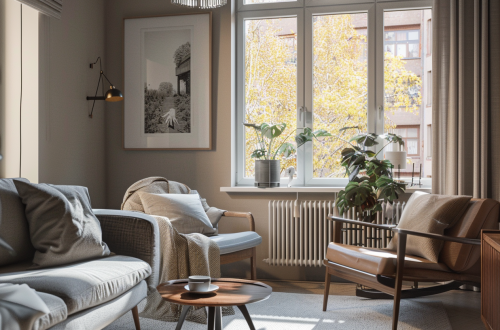
Consider how different lighting can transform the mood of your space. Layering light sources can create a more inviting atmosphere, whether it’s for a quiet evening or a lively gathering. Ambient, task, and accent lighting all have unique roles to play. For instance, using warm white bulbs can enhance your living room’s coziness, while brighter, cooler lights are ideal for focused work in your home office.
1. Master the “Lighting Layers” (The 2700K Rule) to Create Ambiance
Experiment with different light placements. For example, placing a lamp in a corner can create a warm glow that fills the entire room, while string lights can add a whimsical touch to your space. Don’t shy away from dimmable options, which allow you to adjust the illumination according to your activities and mood.
As you explore lighting options, think about how they affect your daily routines. Soft lighting can signal your brain that it’s time to wind down, helping you establish a calming routine in the evenings. This adjustment can significantly improve your sleep quality by promoting melatonin production, making it easier to drift off at night.
The biggest mistake in home comfort is the “big light”—that harsh overhead fixture that makes everything look like a hospital waiting room.
To truly assess your comfort, take a moment to evaluate the textures you interact with daily. Consider not just what you can see, but what you can feel. This could involve swapping out your current bedding for high-thread-count sheets or introducing a weighted blanket that offers a sense of security and warmth.
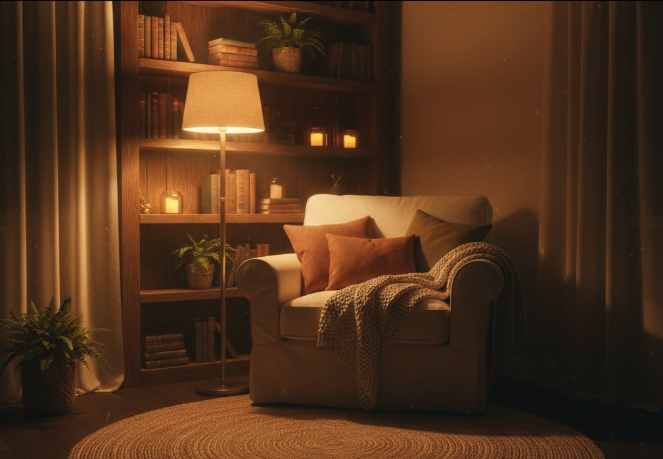
- The Fix: Switch to “pools of light.” Use small lamps, battery-operated LED candles, or even a simple string of warm lights tucked behind a monitor or plant.
- Pro Tip: Always look for bulbs labeled “Warm White” (2700K). It mimics the golden hour of a sunset, which signals your brain to produce melatonin and actually relax.
Additionally, think about incorporating elements that stimulate your sense of touch in various rooms. A soft throw on the couch, plush cushions, or even a tactile wall hanging can create a more inviting atmosphere, making your home feel like a cozy retreat.
Consider creating a sensory corner in your home where you can display items that engage your sense of touch. This could include a variety of fabrics, textures, and objects that invite exploration and interaction, enhancing the tactile experience in your space.

2. The “Touch-Point” Audit: Enhance Your Sensory Experience
Sound can have a profound impact on your sense of comfort. Absorbing echoes with soft materials not only enhances your environment but also contributes to a sense of security. Consider adding curtains, wall hangings, or even a well-placed bookshelf to break up sound waves and create a more tranquil setting.
Comfort is a tactile experience. You don’t need a new sofa; you just need to improve the parts of the house that actually touch your skin.
Additionally, consider using sound-dampening techniques in your home. Adding area rugs can significantly reduce noise levels, while upholstered furniture can help absorb sound, making your space feel more serene and less chaotic.
Incorporating soundscapes, such as gentle music or nature sounds, can further enhance your overall comfort. Create playlists that promote relaxation and play them in the background, adding to the calming atmosphere of your home.
- The Fix: Replace one thing you touch every day. It could be a high-quality linen pillowcase, a weighted blanket for your reading chair, or even a plush rug right where your feet hit the floor when you wake up.
- Why it works: Your brain prioritizes “first contact” sensations. Improving the texture of your immediate surroundings trick your mind into perceiving the whole room as more luxurious.
Utilizing scent can profoundly affect your mood and productivity. Tailoring scents to different areas of your home can create a unique atmosphere for various activities, be it relaxation, focus, or socializing.
3. Acoustic Softening: Create a Peaceful Atmosphere
Explore different methods of scenting your space. Diffusers, essential oils, and natural ingredients like herbs and spices can provide various benefits. For instance, peppermint can enhance alertness in your workspace, while calming chamomile or vanilla can create a soothing nighttime routine.
Moreover, consider incorporating seasonal scents to evoke specific feelings and memories. For example, the scent of cinnamon and pine can remind you of cozy winter evenings, while fresh citrus can bring a sense of summer cheer to your space.
By thoughtfully considering how each of these elements—lighting, touch, sound, and scent—contributes to your environment, you can create a home that not only feels comfortable but also enhances your overall quality of life, making it a true sanctuary.
Finally, don’t underestimate the power of scent layering. Combining scents from different zones can create a harmonious sensory experience. For example, pairing a citrus scent in your kitchen with a fresh linen scent in your living area can promote a clean and uplifting atmosphere throughout your home.
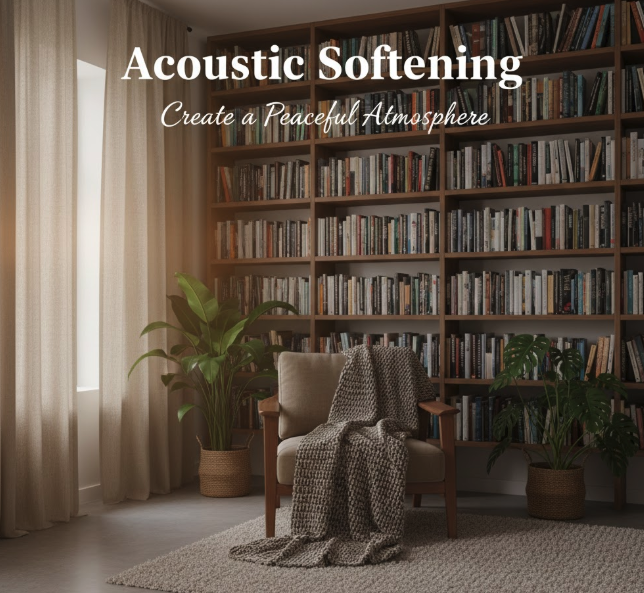
We often forget that “comfort” is also what we don’t hear. Empty walls and hard floors create echoes that cause subconscious stress.
- The Fix: You don’t need acoustic foam. Use “soft decor” to absorb sound. A thick throw blanket draped over a wooden chair or a few more books on a shelf can significantly dampen room echo.
- The Result: A “quieter” room feels more private and secure, instantly boosting your mental comfort.
4. Create a “Zoned” Scent Profile for a Tailored Experience
Our sense of smell is directly linked to the emotional center of the brain. Using the same scent everywhere makes you “nose-blind.”
- The Fix: Assign a specific scent to a specific activity. Use citrus or eucalyptus in your workspace for focus, and lavender or sandalwood only near the bed.
- Creative Idea: Instead of just candles, try a stovetop simmer pot with cinnamon sticks and orange peels. It adds natural humidity to the air, which makes breathing—and sleeping—much more comfortable.
| Feature | Redecorating | Micro-Adjustments |
| Cost | High ($$$) | Minimal ($) |
| Time | Weeks | 15 Minutes |
| Stress Level | High | Instant Relief |
| Impact | Visual | Sensory & Emotional |
🙋 Frequently Asked Questions (FAQ)
Q: Does changing light bulbs really reduce stress? A: Absolutely. Lighting directly affects your circadian rhythm. Harsh “cool white” or blue light suppresses melatonin production, keeping your brain in a high-alert state. Switching to warm 2700K bulbs mimics the evening sun, signaling your nervous system to downshift and start the relaxation process.
Q: What is the most affordable way to make a room feel “cozy” instantly? A: Beyond lighting, the “Textural Layering” technique is the cheapest fix. Draping a soft, chunky knit blanket over a structured chair or adding a high-pile rug softens the visual lines of a room, making it feel more “nest-like” and safe without spending a fortune on new furniture.
Q: Can scents actually improve my home’s comfort level? A: Yes. Your olfactory system is directly linked to the limbic system, which controls emotions and memory. Using specific scents like lavender for sleep or citrus for focus creates “sensory anchors.” This helps your brain recognize that it’s time to relax the moment you walk through the door.
Q: Do I need to buy expensive acoustic panels to reduce room echo? A: Not at all. Standard home decor like heavy curtains, open bookshelves, and even large indoor plants act as natural sound diffusers. These items break up sound waves and absorb “noise bounce,” making your living space feel much quieter and more private.