Why Everyone Is Buying These Home Gadgets This Year (2026)
2026 home tech • shopping behavior • practical upgrades
Why Everyone Is Buying These Home Gadgets This Year
Home gadgets aren’t selling because they’re “cool.” They’re selling because they save time, cut hassle, and make a home feel more controlled. Add faster mobile checkout and AI-assisted discovery, and practical gadgets become the default impulse buy—not a luxury. :contentReference[oaicite:0]{index=0}
1) People want time back (automation wins)
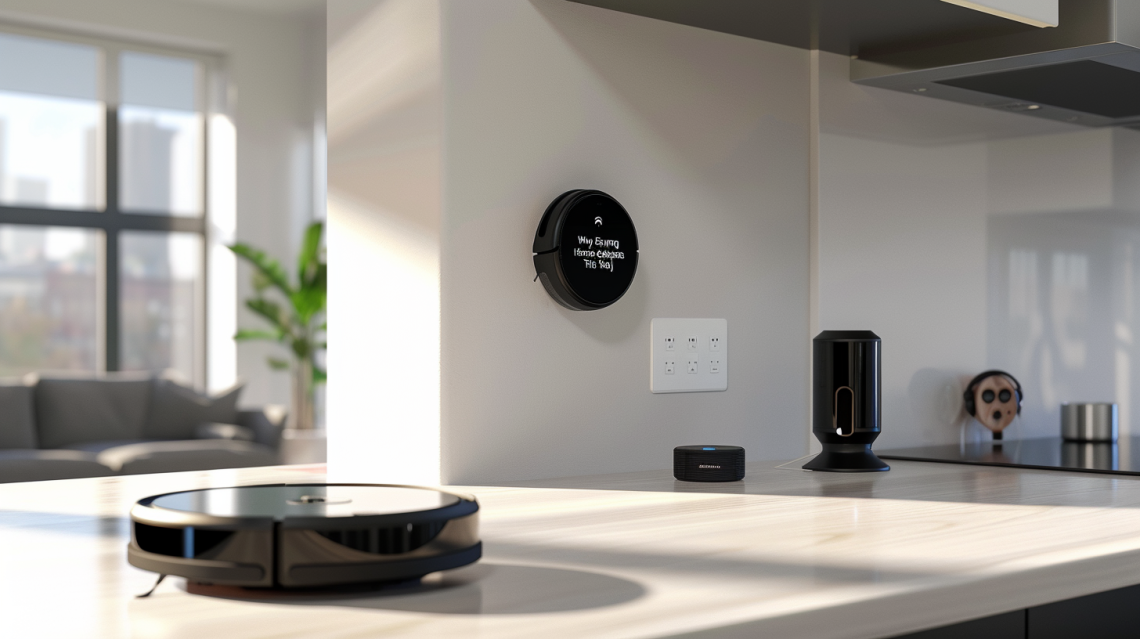
Anything that reliably replaces repetitive chores sells: cleaning, maintenance, and “background tasks.” That’s why robot vacuums keep improving and staying popular year after year, with major outlets now publishing dedicated “best for 2026” roundups. :contentReference[oaicite:2]{index=2}
Cleaning automation
Robot vacuums and mopping bots are bought for one reason: fewer hours lost to floors.
Outdoor maintenance automation
Robot lawnmowers are moving toward wire-free setup and smarter navigation—lower friction = higher adoption. :contentReference[oaicite:3]{index=3}
2) Energy costs made “monitoring” mainstream
People are buying gadgets that show where money is leaking: smart plugs, thermostats, and energy monitoring tools. Market reports point to strong growth expectations for smart-home energy monitoring devices as sensors and tracking become more common. :contentReference[oaicite:4]{index=4}
- Immediate feedback (“this device costs how much to run?”)
- Low effort (install once, benefit daily)
- Clear ROI story (reduce waste, automate schedules)
3) Health & comfort became a purchasing trigger
After years of indoor-heavy lifestyles, buyers respond to gadgets tied to air, sleep, humidity, and noise—because the benefit feels physical, not abstract. This is why “air quality / comfort” devices keep showing up in smart-home conversations and household upgrade lists. :contentReference[oaicite:5]{index=5}
Air & environment
Air purifiers, humidity control, and sensors sell when people feel the difference (allergies, dryness, odors).
Comfort automation
Smarter schedules (temperature, lights) become habit-forming once set up.
4) Security is no longer “nice to have”
Modern smart home growth is strongly driven by existing smart households expanding ecosystems—especially security devices like cameras and locks. :contentReference[oaicite:6]{index=6}
- Simple setup (no contractor, no rewiring)
- Clear alerts (less noise, more signal)
- Trust: privacy and data handling are real conversion levers, not “PR text.” :contentReference[oaicite:7]{index=7}
5) Shopping itself changed (AI + social commerce)
In 2026, discovery is faster: people see a demo, ask an AI assistant, then buy. Social commerce is also projected to keep scaling, which rewards gadgets that look good in short videos and deliver an obvious “before/after.” :contentReference[oaicite:8]{index=8}
“Demo-able” gadgets win
Motion lights, organizers, cleaning tools, sensors—anything that shows a clear result in seconds.
Low regret purchases
Small-to-mid ticket items with clear utility get bought quickly and recommended often.
How to spot the next home gadget trend
- Is it a real problem? (time, energy, comfort, safety)
- Is setup simple? (10 minutes beats 2 hours)
- Does it create a habit? (daily use = staying power)
- Is the value obvious on mobile? (one glance explanation)
- Does it scale into an ecosystem? (more devices over time) :contentReference[oaicite:9]{index=9}
FAQ
Are “home gadgets” just a fad?
No. The market direction and household adoption trends suggest smart-home usage is expanding, especially as ecosystems grow over time. :contentReference[oaicite:10]{index=10}
What categories are people buying the most?
Automation (cleaning/maintenance), energy awareness (monitoring/control), comfort (air/temperature), and security (cameras/locks) are the consistent drivers. :contentReference[oaicite:11]{index=11}
Why is energy monitoring suddenly popular?
Because it turns a vague problem (“bills feel high”) into a measurable one. Growth forecasts for energy monitoring devices reflect rising demand for visibility and control. :contentReference[oaicite:12]{index=12}
Will robot devices keep improving, or is it peak hype?
They’re still improving. 2026 coverage emphasizes better navigation, mopping performance, and more capable home/yard automation. :contentReference[oaicite:13]{index=13}
What should buyers worry about most?
Privacy, security, and vendor lock-in. Trust and data handling are increasingly central to adoption—buyers don’t want “smart” if it feels risky. :contentReference[oaicite:14]{index=14}
Why do these gadgets sell faster now than a few years ago?
Discovery changed. AI-driven shopping traffic is surging, and social-first discovery rewards gadgets with clear, quick “proof.” :contentReference[oaicite:15]{index=15}